Helpful answers before work begins
Good concrete projects start with good questions.
Use this resource to understand estimates, preparation, schedules, care and service coverage. We will always provide project-specific guidance after reviewing your site.
Plan with confidence
Straight answers, organized by the questions homeowners ask most.
The visible answers and structured data use the same copy, so the page remains consistent for visitors and search engines.
Do you provide free concrete estimates?
Yes. Start by sharing the property location, project type, approximate size, current condition and several wide photographs. We will review that information and explain whether the next useful step is a phone conversation, additional photos or an onsite visit. A final proposal depends on the actual access, elevations, drainage, preparation and finish rather than a generic online price.
What information should I have ready?
Helpful details include the exact project location, intended use, approximate dimensions, desired timing and photos showing the entire area and the route from the street. Tell us about demolition, gates, slopes, drainage, utilities, irrigation and any HOA or permit questions you already know about. For damaged concrete, include close photos with scale and describe how the condition has changed over time.
Which factors affect concrete project cost?
Area is only one factor. Removal and disposal, equipment access, excavation, base correction, grading, drainage, slab thickness, reinforcement, joints, finish, connected steps or walks, weather protection and site restoration can all change the scope. A responsible estimate describes these items so you can compare complete proposals instead of comparing two totals that may include very different work.
Is an onsite visit always required?
Not every first conversation requires a visit, and clear photos can help us understand whether a project is a likely fit. A dependable construction proposal often requires onsite measurements and review of access, grade, drainage, existing concrete and connections to the home. We will tell you which information is still needed rather than pretending a satellite image or rough dimension answers every site question.
Will you remove and dispose of the existing concrete?
Removal and disposal can be included when replacement is part of the agreed scope. The proposal should identify exactly which slabs, steps or walls are removed, what remains, how adjoining surfaces are protected and where material is hauled. After demolition, hidden base or soil conditions may become visible; the scope should explain how those conditions and any resulting change are handled.
How is the base prepared before new concrete is placed?
Preparation depends on the existing soil, disturbed areas, project use and conditions found after excavation or demolition. Unsuitable material may need to be removed, elevations established and a compatible base placed and compacted. The written scope should describe the planned preparation and how unexpected soft or wet areas are addressed. A strong surface finish cannot compensate for unstable support.
How do you handle slope and drainage?
We review door and garage thresholds, existing pavement, high and low points, downspouts and visible runoff before forms are finalized. The concrete should shed water toward an appropriate destination without trapping it at the home or creating unsupported eroding edges. Some properties need drainage or earthwork beyond a normal concrete scope; when that happens, we identify the question rather than hiding it.
How long does a typical residential concrete project take?
The active construction schedule varies with size, demolition, access, excavation, weather, finish complexity, inspections and connected work. Curing closures continue after the crew's final active day, so the date for walking, furniture or vehicle use is separate from the placement date. Your proposal and pre-project communication should explain the expected sequence, access limitations and likely weather decision points.
What can delay a concrete project?
Heavy rain, saturated or frozen ground, temperature extremes, high wind, unavailable inspections, utility conflicts, material changes and hidden site conditions can affect scheduling. A responsible contractor may postpone placement when surface quality or safe access is at risk. We communicate changes and explain the next step; a promised calendar date should never be treated as permission to ignore unsuitable conditions.
Will concrete crack?
Concrete can crack as it shrinks, changes temperature or responds to settlement and loading. Proper base preparation, mix selection, reinforcement decisions, joints, placement and curing help manage risk, but a no-crack guarantee is not realistic. Crack importance depends on pattern, width, vertical displacement, water and change over time. We explain the planned joint layout and how to report an unexpected condition.
When can I walk on new concrete?
Walking time depends on the concrete, weather, curing method, finish and project conditions. The surface can look dry and hard before it is ready for traffic, so do not test it with a shoe or allow pets into the area. We provide a project-specific light-use instruction and keep it separate from the later dates for furniture, vehicles or other concentrated loads.
When can I drive or place furniture on new concrete?
Vehicle and furniture timing should come from the installer because loads and slabs differ. A person, patio chair and turning vehicle do not place the same demand on young concrete. We provide separate guidance for the installed project. Until approval, keep vehicles, grills, heavy planters, trailers, dumpsters and other concentrated loads off the new surface and especially away from young edges.
Does exterior concrete need to be sealed?
That depends on the finish, exposure and selected system. Decorative concrete may use a defined sealer that changes color, sheen, traction and maintenance expectations, while another surface may have different guidance. Do not apply an unknown product automatically. Ask which product, preparation, timing and reapplication cycle are compatible with the installation before cleaning or coating the concrete.
Do you offer a workmanship warranty?
Riverstone Concrete backs eligible work with a five-year workmanship warranty. The project documentation explains the covered workmanship, term, exclusions, homeowner care and process for reporting a concern. Because concrete and sites can be affected by external drainage changes, chemicals, impact, ground movement and other conditions, the written warranty matters more than a vague promise that every possible change is covered.
Which communities do you serve?
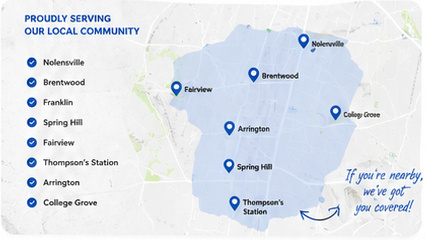
Our core service area includes Nolensville, Brentwood, Franklin, Spring Hill and Fairview, along with selected nearby Middle Tennessee projects. Coverage is confirmed from the exact address, project type and current crew schedule. A city page describes service context but does not imply that Riverstone maintains a separate office in every community.
Can I request a quote outside the listed cities?
Yes. Send the exact location, project type, approximate size and photos of both the work area and access route. Nearby coverage varies with scope, travel, placement logistics and current scheduling, so we confirm eligibility rather than promising a fixed radius that ignores the project. If the request is outside current coverage, we will tell you before arranging an onsite visit.
Still have a question?
Let’s look at the actual site and scope.
Photos, measurements and a short conversation can turn a general answer into a useful next step.